

Ra Hetep
/
U.S. Army
Experts say even with human oversight, AI can move so quickly that it risks overwhelming people's ability to catch its mistakes.

Crystal Burgess
/
U.S. Coast Guard

-
 The VA is reaching out to female veterans, who sometimes are hesitant to identify as veterans at allWomen make up the fastest-growing group of U.S. veterans. But fewer than half of female veterans are enrolled in VA health care, and some women are hesitant to even self-identify as former service members.
 -
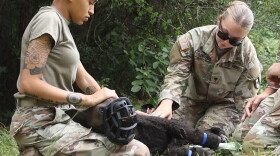 The Army is cross-training medics and working to improve its practices for canine casualty care more broadly to meet the new challenges of warfare.
 -
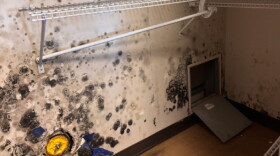 The Pentagon received $1.2 billion from Congress last year for repairs to barracks around the world, which have been plagued for years by problems such as mold, insects, and safety hazards.
 -
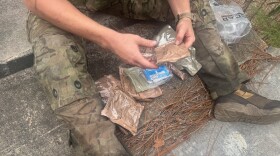 The new Close Combat Assault Ration is designed to meet the nutritional needs of troops on the battlefield, while being easier to carry and eat.
 -
 Legislation in the U.S. House would increase benefits for many retired veterans with disabilities. But it could also jeopardize payments for future veterans with sleep apnea or tinnitus.
 -
 More than 1,500 service members are still missing from the Vietnam War, and families say time is running out to locate and recover their remains.
 -
 Judges handling the thousands of lawsuits from sick veterans and family members have ordered lawyers to hammer out a mass settlement plan by the end of October.
 -
 The outbreak at Joint Base San Antonio-Lackland started weeks after the military stopped requiring troops to receive flu shots, citing medical autonomy and religious freedom.
 -
 The measure, which still needs approval from the full House and Senate, would restore base names that were used from 2023 to 2025.
 -
 The Navy is trying to field a fleet of drone boats like the one that recently rescued the crew of a downed helicopter outside Iran.


The American Homefront Project collaborated with the PBS documentary series American Veteran to profile men and women who have served in the U.S. military.